
The Chinese Zodiac: All 12 Animal Signs Explained


Have you ever heard someone say, “It’s the Year of the Dragon” or “I was born in the Year of the Rabbit”?
These are part of the Chinese zodiac, an old tradition that is still a part of everyday life in China today.
In Western astrology, people often talk about being a Leo, a Pisces, or a Capricorn. The Chinese zodiac works a little differently. It uses twelve animals to mark a repeating cycle of years. Each animal carries its own stories, symbols, and wishes for life.
But the Chinese zodiac is more than a way to mark your birth year. It is also a way for people to share good wishes, celebrate family traditions, and feel connected to the past.
Let’s take a closer look at the twelve animals and the meaning behind them.
What Is the Chinese Zodiac?

The Chinese zodiac is a twelve-year cycle. Each year is linked to one animal, and the same order repeats every twelve years.
The twelve animals are the Rat, Ox, Tiger, Rabbit, Dragon, Snake, Horse, Goat, Monkey, Rooster, Dog, and Pig.
Your zodiac animal is usually based on the year you were born. For example, someone born in a Year of the Tiger has the Tiger as their zodiac animal.
There is one important detail to remember. The Chinese zodiac follows the traditional Chinese calendar, not the regular calendar used in most countries. Chinese New Year usually falls in late January or February, and its date changes each year.
This means that if your birthday falls in January or early February, you may belong to the zodiac sign of the previous year. It is always a good idea to check the date of Chinese New Year for your birth year.
Why Are There Twelve Animals?
Why a Rat? Why a Dragon? And why not a Cat?
One popular Chinese folk tale offers a playful answer.
Long ago, the Jade Emperor, a figure in traditional Chinese stories, decided to choose twelve animals to mark the years. He invited the animals to take part in a race across a river. The first twelve to reach the finish would earn a place in the zodiac.
The Rat was small, so crossing the river alone was not easy. Instead, it rode on the back of the strong Ox. Just before they reached the finish, the Rat jumped ahead and became the first animal. The kind and hardworking Ox came second.
The other animals followed. The Tiger fought against the river’s strong current. The Rabbit crossed by jumping from one place to another. The Dragon, despite being able to fly, arrived later because it had stopped to help others along the way.
And what about the Cat? In this version of the story, the Rat failed to tell the Cat about the race. The Cat missed its chance, which is why it does not appear among the twelve animals.
Of course, this is a folk tale, not a record of real events. There are different versions of the story, but it remains a favorite way to introduce children to the zodiac.
Perhaps that is part of its charm. Each animal has a place in the story, and each one gives people something to remember.
What Do the Twelve Zodiac Animals Mean?
Over time, people have connected each animal with certain qualities and good wishes. These meanings can vary across stories, families, and regions. They are part of traditional culture, not fixed rules about what a person must be like.
Here is a simple introduction to each animal.
1. Rat — Cleverness and Opportunity
The Rat is often seen as quick-minded, resourceful, and good at finding opportunities. In the race story, it wins through clever thinking rather than physical strength.
The Rat reminds people that even small steps and smart choices can make a difference.
2. Ox — Hard Work and Patience
The Ox stands for strength, patience, and steady effort. It is an animal that works hard and keeps going, even when the road is long.
Its message is simple: good things often come from showing up and doing your best, one day at a time.
3. Tiger — Courage and Strength
The Tiger is a symbol of courage, confidence, and power. It is often linked to bravery and the ability to face challenges.
In traditional Chinese culture, the Tiger can also represent protection and strength in the face of difficulty.
4. Rabbit — Peace and Good Fortune
The Rabbit is often connected with gentleness, kindness, and a peaceful life. It brings to mind a wish for calm days, close relationships, and good fortune.
The Rabbit reminds us that a good life does not always need to be loud or dramatic. Sometimes, peace is enough.
5. Dragon — Power and Good Fortune
The Dragon is one of the most special animals in the Chinese zodiac. Unlike a Western fantasy dragon, which is often shown as a dangerous creature, the Chinese dragon is traditionally a powerful and auspicious symbol.
It is associated with strength, success, good fortune, and high hopes for the future.
For many people, the Dragon represents the wish to grow, achieve something meaningful, and welcome new possibilities.
6. Snake — Wisdom and Careful Thinking
The Snake is often linked to wisdom, calmness, and careful observation. It does not rush into every situation. Instead, it watches and chooses its moment.
Its symbolism reminds people that taking time to think can be just as valuable as acting quickly.
7. Horse — Freedom and Progress
The Horse represents energy, independence, and forward movement. It brings to mind the feeling of setting out on a journey and working toward a goal.
For many people, the Horse carries a hopeful message: keep moving, stay curious, and make room for new experiences.
8. Goat — Kindness and Harmony
The Goat, sometimes translated as Sheep in the Chinese zodiac, is often associated with gentleness, kindness, and harmony.
It represents a wish for a peaceful home, caring relationships, and a life with less conflict. Its meaning is especially fitting for people who value warmth, balance, and time with loved ones.
9. Monkey — Creativity and Flexibility
The Monkey is playful, curious, and quick to learn. It is often linked to intelligence, creativity, and the ability to solve problems in unexpected ways.
The Monkey reminds us to stay open-minded. Sometimes, a fresh idea can help us see a familiar problem differently.
10. Rooster — Confidence and Responsibility
The Rooster is known for its early morning call. Because it greets the day, it is often connected with punctuality, confidence, and a strong sense of responsibility.
Its symbolism reflects the value of being prepared, keeping your word, and approaching each new day with purpose.
11. Dog — Loyalty and Trust
The Dog represents loyalty, honesty, and care for others. It is often seen as a symbol of friendship and the comfort of knowing someone is there for you.
Its meaning is close to a wish that the people around us will be trustworthy, supportive, and kind.
12. Pig — Comfort and Abundance
The Pig is often associated with good fortune, comfort, and abundance. In traditional symbolism, abundance means more than money. It can also mean having enough to eat, a comfortable home, and people to share life with.
The Pig carries a warm wish for a life filled with contentment and the things that truly matter.
How Is the Chinese Zodiac Used Today?
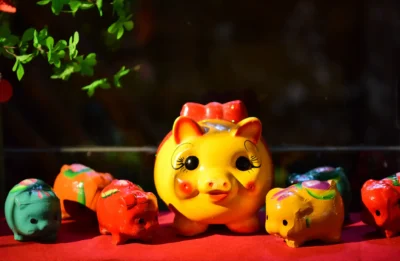
The Chinese zodiac is not only something people read about in old stories. It still appears in many everyday moments.
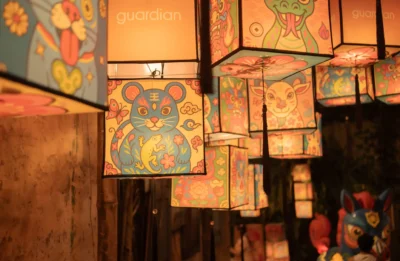
During Chinese New Year, decorations and greeting cards often feature the animal of the coming year. Shops may release special gifts, and families exchange wishes for happiness, health, and good fortune.
The zodiac also appears in jewelry, small charms, ornaments, and keepsakes. Some people choose an item with their own zodiac animal. Others give one as a birthday or New Year gift.
The meaning is often personal. A Rabbit charm might remind someone to seek peace. A Dragon pendant might stand for confidence and ambition. A Goat bracelet might express a wish for kindness and harmony.
Not everyone believes that a zodiac animal shapes their personality or future. For many people, the tradition is simply a meaningful way to celebrate their culture, remember family stories, or express a hope for the year ahead.
That is one reason the zodiac has remained familiar across generations. Its symbols are easy to recognize, but the feelings behind them can be deeply personal.
The Chinese Zodiac and Western Astrology: What Is the Difference?
If you are familiar with Western astrology, the Chinese zodiac may feel similar at first. Both use symbols to help people explore personality and meaning. However, they work in different ways.
Western sun signs are usually based on your birth date within the year. The Chinese zodiac is mainly based on your birth year, with the date of Chinese New Year being important for people born early in the year.
The symbols are different, too. Western astrology uses signs such as Aries, Libra, and Scorpio. The Chinese zodiac uses twelve animals, each with its own traditional stories and meanings.
Neither system is a scientific way to determine someone’s personality or future. They are cultural traditions that people interpret in different ways.
You can enjoy one, the other, or both. They offer different ways to think about identity, personal values, and the hopes we carry into a new year.
Bringing Zodiac Meaning into Everyday Life
Sometimes, a meaningful object is not valuable because of its price. It matters because of the story we connect with it.
A small charm can remind us of someone we love. A bracelet can mark a new beginning. A gift can carry a wish that is difficult to put into words.
This is one way the Chinese zodiac continues to find a place in modern life. Its animals offer simple symbols for things people everywhere can understand: courage, patience, kindness, trust, and hope.
At VERDANT, we are inspired by the stories and symbolism found in Eastern culture. Our zodiac bracelets bring these traditional animal symbols into everyday accessories, creating a personal way to connect with a zodiac sign or share a thoughtful wish with someone else.
You do not need to know every detail of Chinese tradition to appreciate its meaning. Sometimes, all you need is an animal, a story, and a wish that feels right to you.
Which Chinese Zodiac Animal Are You?

The twelve zodiac animals each tell a different story. Some celebrate courage and strength. Others speak of patience, peace, or the importance of close relationships.
If you know your birth year, you can start by finding your zodiac animal. If you were born in January or February, remember to check the Chinese New Year date for that year.
Then take a moment to explore what your animal traditionally represents. You may find a quality you already value, a reminder you need today, or simply a new story to share.
The Chinese zodiac has lasted for generations because it connects time with stories, and stories with people. Above all, it offers a small but lasting reminder of the hopes we carry for ourselves and the people around us.
Explore VERDANT’s zodiac-inspired bracelets to discover a meaningful symbol for yourself or someone special.
Traditional zodiac meanings reflect cultural beliefs and symbolism. They do not predict personality or guarantee future outcomes.